
A home-based attendant for older adults is a caregiver who provides in-person assistance within a residence to support daily living tasks and general well-being. This role typically involves aid with activities of daily living such as bathing, dressing, toileting, and eating, as well as mobility assistance, meal preparation, reminders for routines, and basic household tasks. The attendant’s scope is often defined by a care plan or agreement and may vary according to the person’s functional needs, available family support, and local practice patterns.
Responsibilities for an in-home attendant often extend beyond practical tasks to include observation and reporting of changes in condition, coordinating with family members or professional providers, and promoting a safe environment. Training levels can vary and attendants may work alongside licensed clinicians when medical needs arise. The role is generally focused on supportive, non-prescriptive care that aims to help an older person maintain independence and comfort in their own home.
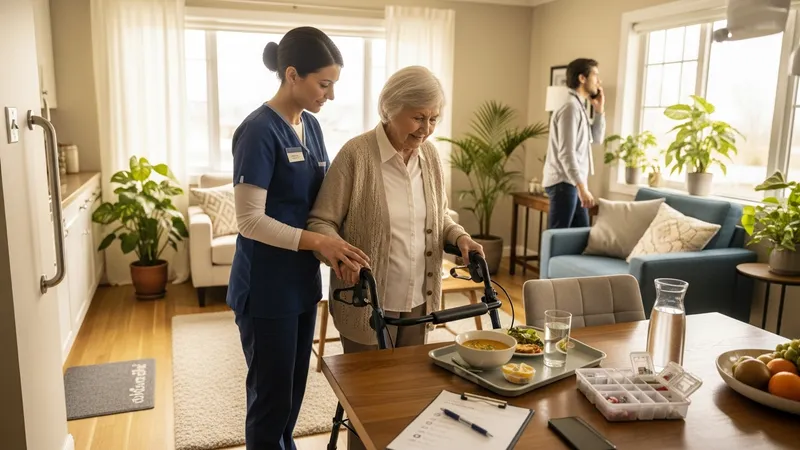
Training and scope of practice may differ by region and employer; attendants often receive orientation on safe handling, infection prevention, and privacy considerations. Certification requirements vary and some attendants complete formal courses in elder care fundamentals, communication skills, or first aid. In many practice settings, attendants are expected to respect personal preferences and advance directives, and to work within clearly defined boundaries, referring clinical questions or complex symptom concerns to licensed health professionals.
Clear role definitions and documentation can help prevent overlap with clinical services. Attendants may routinely record care activities, behavioral observations, and incidents for family members or supervising agencies. When a person’s needs change—such as increased mobility limitation or new medication side effects—attendants often communicate these changes to a designated contact so that care plans can be reassessed. Such communication is typically framed as observation and reporting, not clinical diagnosis.
Scheduling and coordination are common components of in-home support. Attendants may provide short visits for targeted tasks, longer shifts for continuous supervision, or regular daily support based on assessed needs. Shift patterns often reflect family preferences, available funding sources, and the complexity of care. Because many older adults prefer to remain in familiar surroundings, attendants are frequently part of broader care networks that include family, community services, and health professionals.
Safety practices are central to in-home support and often involve environmental checks, fall risk reduction measures, and appropriate use of assistive devices. Attendants can help maintain clear pathways, adequate lighting, and accessible essentials, and they may suggest simple modifications for comfort and safety. Emergency preparedness planning—such as knowing who to contact and where important documents are kept—is typically part of a comprehensive support arrangement, described as preparatory rather than prescriptive action.
Overall, the in-home attendant role blends practical assistance with observational and coordination tasks to help older people remain at home when feasible. The next sections examine practical components and considerations in more detail.
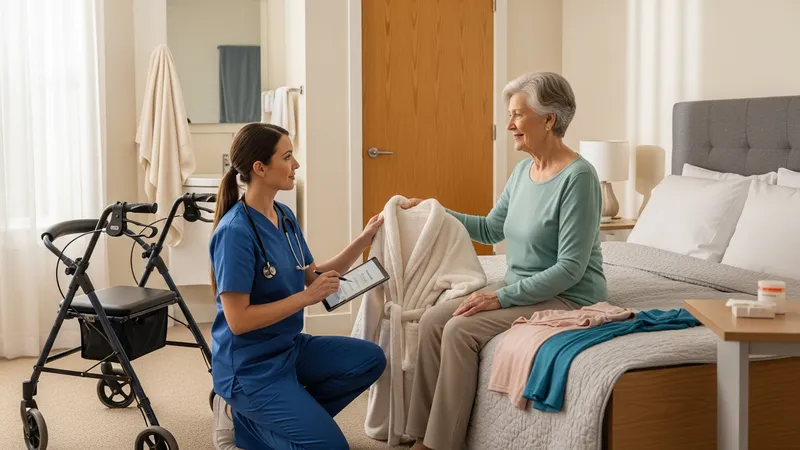
Daily living assistance commonly centers on activities such as bathing, dressing, grooming, toileting, and feeding. Attendants often follow a routine that aligns with the individual’s preferences and mobility level; for example, helping with showering at a preferred time or arranging clothing for comfort and accessibility. Documentation of what was provided and any deviations from routine can be important for continuity of care, especially when multiple attendants or family members are involved. This supportive work typically focuses on dignity, privacy, and preserving existing abilities where possible.
Personal care duties can vary in intensity from minimal supervision to hands-on help. Attendants often coordinate with family members to determine acceptable levels of assistance and to respect cultural or personal preferences. When clinical needs arise—such as wound care or injections—those tasks are usually managed by licensed professionals, with attendants playing an observational role and communicating changes to the appropriate clinician. Clear limits on scope help maintain safety and legal boundaries while ensuring practical support is provided.
Many attendants employ simple strategies to encourage independence, such as arranging clothing for ease of dressing or placing commonly used items within reach. These approaches may reduce reliance on direct help and can support functional retention. Attendants also often help with toileting schedules and continence support in a manner that balances comfort and hygiene while preserving the person’s sense of autonomy. Training in respectful communication and privacy protection is typically part of preparatory instruction for these duties.
Coordination with other services is a common consideration: attendants may align visit times with outpatient appointments, therapy sessions, or family availability. In multi-person households, attendants may balance care needs with household routines to minimize disruption. Records of care tasks and observational notes can support subsequent assessments by clinicians or social services. Continued reading explores mobility-specific considerations and safety measures in more depth.
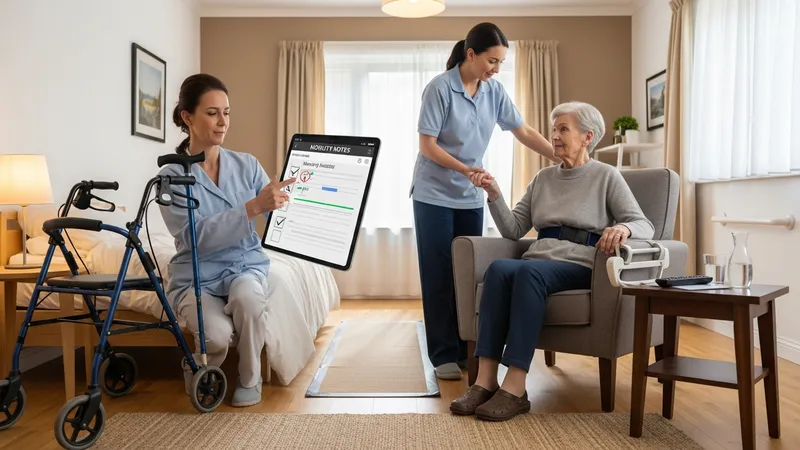
Mobility support often involves helping with walking, transfers between bed and chair, and safe positioning during seated activities. Attendants may work with assistive devices such as canes, walkers, or scooters, and they typically follow guidance from physical therapists or occupational therapists regarding device use. Rather than providing clinical instruction, attendants generally implement prescribed mobility plans and observe for changes such as new instability or pain, reporting these observations to supervising family members or clinicians for reassessment.
Fall-prevention is a frequent focus in home settings. Attendants commonly help keep pathways clear, secure loose rugs, ensure adequate lighting, and place frequently used items within easy reach. They may remind individuals to use mobility aids and to wear appropriate footwear. Environmental checks and simple modifications can reduce hazards, and attendants often document unsafe conditions or near-misses so that longer-term home adaptations can be considered by professionals or household decision-makers.
When transfers are part of the routine, attendants typically follow safe-practice training provided by employers or agencies, and they defer clinical techniques to licensed staff. Coordination with therapy providers may lead to specific transfer plans or exercises to maintain strength and balance; attendants can encourage adherence to these plans without prescribing clinical changes. Regular communication about mobility trends helps ensure that assistive devices and home arrangements remain suited to current ability levels.
Assistive equipment selection and home adaptation are usually handled by therapists or adaptive equipment suppliers, with attendants supporting proper use once items are in the home. Attendants often note whether devices are being used correctly and whether additional supports—such as grab bars or raised toilet seats—would be beneficial, reporting suggestions to family or supervising coordinators. The next section addresses the social and communication aspects of in-home care.
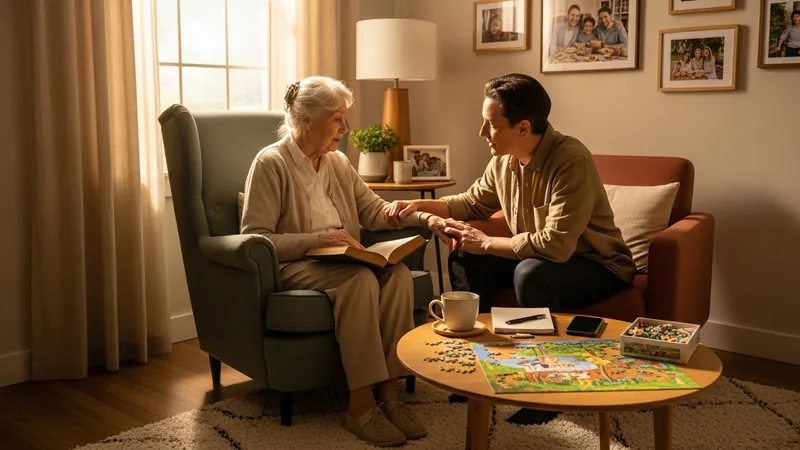
Companionship and effective communication are integral components of in-home support. Attendants often engage in conversation, shared activities, and simple cognitive stimulation that align with the person’s interests and abilities. Active listening, patience, and the ability to notice mood or behavior changes are commonly emphasized in training. While attendants are not mental health professionals, they may note signs of loneliness, declining mood, or cognitive change and communicate these observations to family or healthcare providers for further evaluation.
Structured social activities can be part of the attendant’s routine, such as reading together, doing simple puzzles, or accompanying the person on brief outings when appropriate. These activities may support mental engagement and help maintain social skills. Attendants typically adapt activity complexity to the person’s current cognition and energy level, and they may coordinate with family or community resources to enrich social contact without stepping into therapeutic roles reserved for licensed providers.
Communication with family members and other care partners is often a daily part of an attendant’s responsibilities. This can include updating on meal intake, mood, mobility incidents, or adherence to daily routines. Clear, factual reporting—focused on observable changes rather than clinical interpretation—helps family and professionals make informed decisions. Boundaries around privacy and consent are important; attendants generally follow established privacy practices and share information only with authorized contacts.
Maintaining emotional boundaries while providing empathetic presence is a common consideration for attendants. Training often addresses how to support someone who is grieving, anxious, or confused without attempting to provide clinical counseling. When concerns about psychological well-being arise, attendants typically refer the matter to family members or licensed mental health professionals. The final section expands on coordination, documentation, and safety responsibilities.

Documentation and communication form a backbone of coordinated in-home support. Attendants often keep records of visit times, care tasks completed, meal intake, bowel and bladder patterns, mood observations, and any incidents. These notes are typically factual and concise, designed to inform supervising family members or care coordinators and to flag trends that may warrant professional review. Clear documentation helps ensure continuity when multiple attendants or agencies are involved.
Medication reminders are commonly part of an attendant’s routine; attendants may prompt individuals to take prescribed doses and note adherence, but they generally do not administer medications unless specifically trained and authorized. When complex medication management is required, licensed clinicians or pharmacists are usually engaged to set up systems such as blister packs or automated dispensers. Attendants can support these systems by observing and reporting missed doses or adverse reactions for clinical follow-up.
Emergency preparedness and basic safety measures are frequently included in attendant orientation. This may cover recognition of acute changes that require urgent attention, knowledge of who to contact in an emergency, and steps to preserve personal safety. Attendants often learn how to use basic communication devices and where important documents are kept, and they may participate in household emergency plans developed with family or professional advisors. Such planning emphasizes readiness rather than offering medical intervention.
Ethical and legal considerations—such as respecting privacy, obtaining consent for care activities, and understanding mandated reporting obligations—are typical topics in training. Attendants often work under clear care agreements that specify responsibilities, boundaries, scheduling, and compensation terms. Ongoing communication among attendants, family, and professionals helps align expectations and supports adjustments as needs change. This concluding page summarizes responsibilities and emphasizes careful coordination and observation as central elements of in-home support for older adults.